Eterna Regeneratives, a King's College London spin-out developing keratin-based biomaterials for enamel repair and bone regeneration, has raised a seed round led by Hoxton Ventures and The Venture Collective. The funding will take the startup from lab-based proof of concept to real-world products, starting with the $43bn global oral care market.
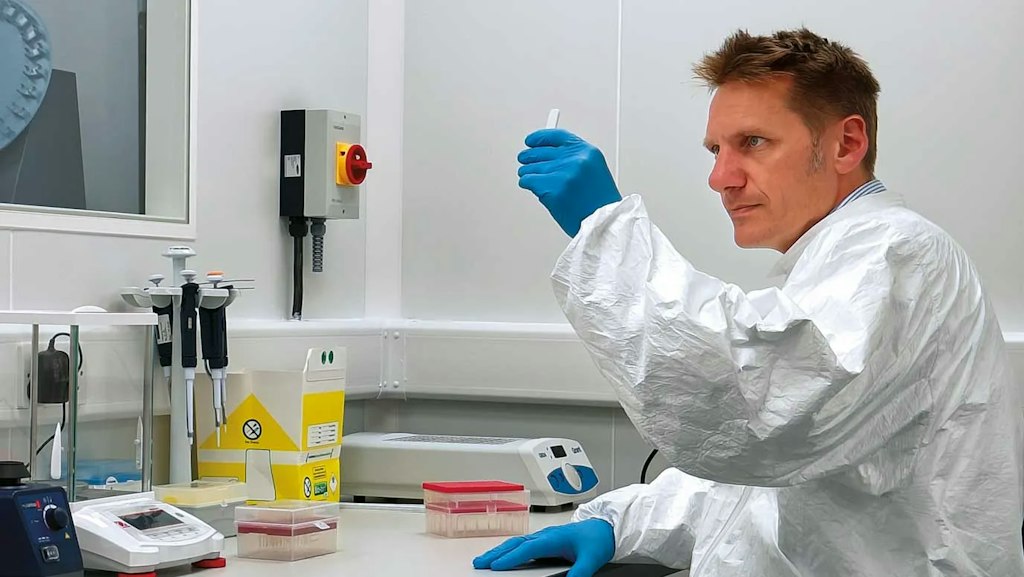
Unlike many other tissues in the human body, tooth enamel cannot grow back once it is lost, which leads to hypersensitivity, cavities, tooth pain and gradual deterioration of the teeth. Fluoride only slightly strengthens existing enamel and does not rebuild what has been lost. Resin, the usual professional repair, fills a tooth rather than rebuilding it and has a finite lifespan, so patients often need replacements and face high costs. Eterna's patented material uses keratin from sheep's wool and can be added to toothpaste to guide new mineral growth at the site of damage. In in vitro experiments on extracted tooth samples, a new enamel-like layer formed directly on the tooth surface. The treated samples regained hardness and mechanical strength close to that of native, healthy enamel. The technology also reduced abrasion and even treated decay, and it costs a fraction of what alternatives do.
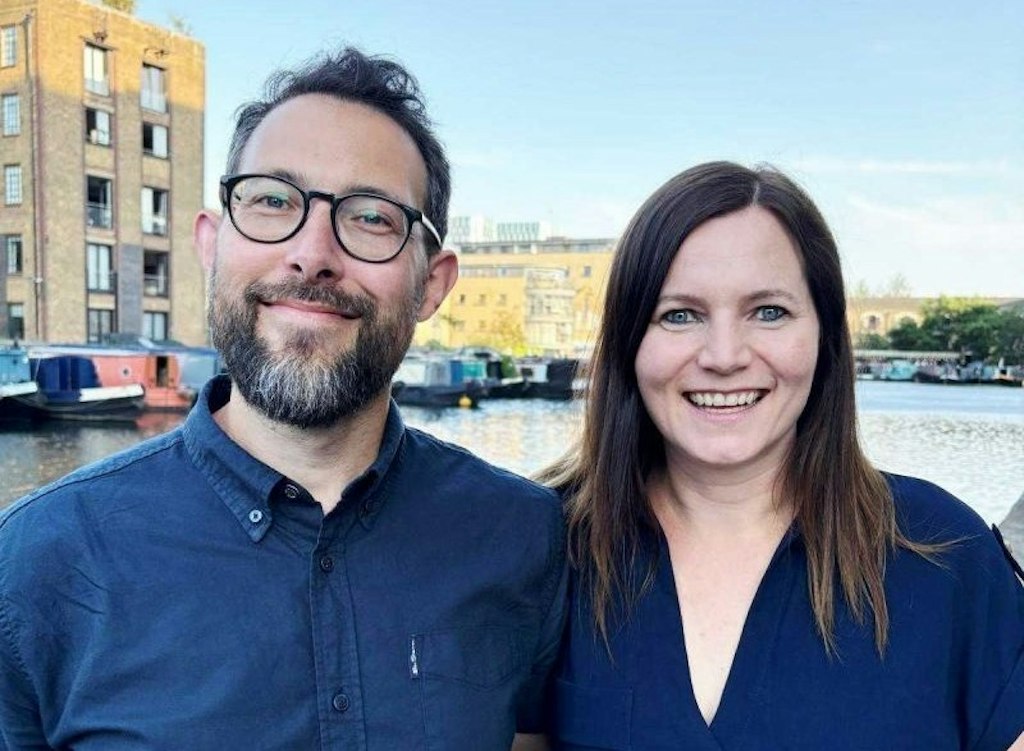
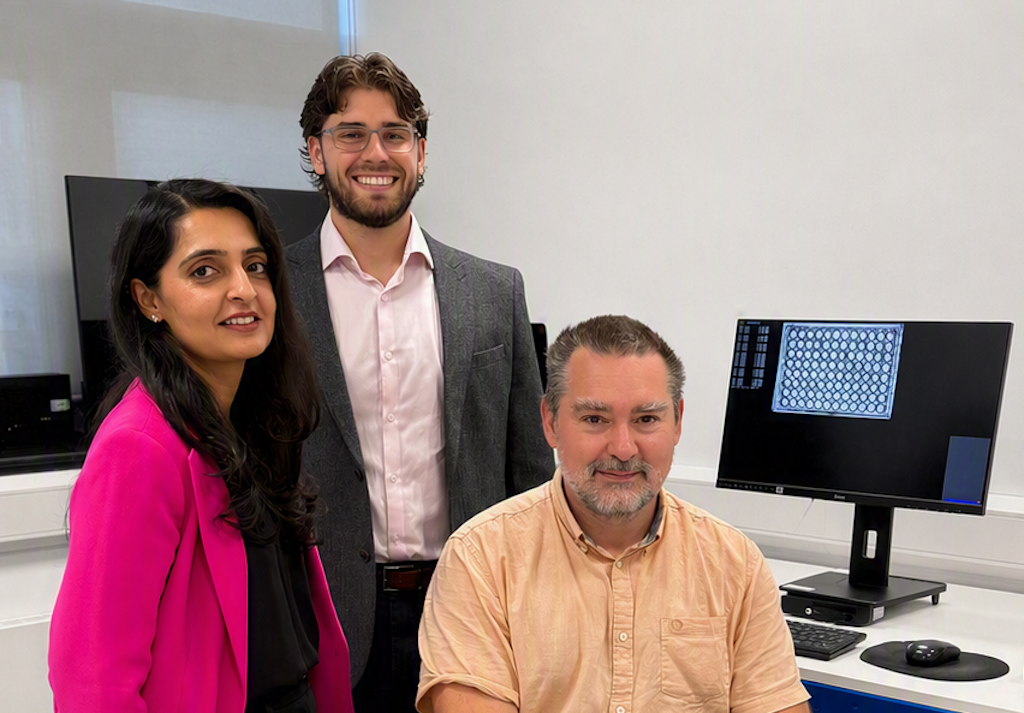
Khaled Eissa and Dr Sherif Elsharkawy co-founded the startup in 2024. Last year it drew international attention when research by Dr Elsharkawy and his PhD student, Dr Sara Gamea, found the material could regrow damaged tooth enamel. The BBC, Washington Post and Newsweek were among the outlets that covered the work.
A second application uses the same patented knowledge to target bone regeneration. When a bone breaks, soft tissue grows back into the site without fixing the underlying fragility, and treatment typically involves inserting a collagen membrane and hoping the bone regrows. Preliminary tests suggest the keratin-based technology could regenerate strong, healthy bone, and further IP is in the pipeline beyond that.
From its new lab space in Canary Wharf, Eterna is expanding its research and commercial teams. It is also building relationships with oral-care companies, professional partners and consumer-health groups. The near-term goal is a first commercial product, delivered by embedding the material into products already on the market.
The only way to truly heal the human body is to help it heal itself. We wanted to create a product that is readily available, scalable and has the potential to deliver long-term results.
This investment lets us move from lab-based proof of concept to real-world products at pace. It is a validation of years of research, and a step change in how quickly we can bring this technology to patients.
Eterna is the kind of company we like to back early: powerful, defensible science with a capital-efficient route to market. Its technology has the potential to transform oral care from managing enamel loss to actually repairing it, while opening the door to broader applications in tissue and bone regeneration. Khaled and Sherif are the right scientific team to bring this from the lab and to global scale.
Eterna is looking beyond basic healing to achieve complete tissue restoration. For too long, patients have had to settle for treatments that manage damage rather than repair it. Eterna is revolutionizing this standard of care, harnessing its patented keratin technology to help the body regenerate itself more fully than existing options allow.