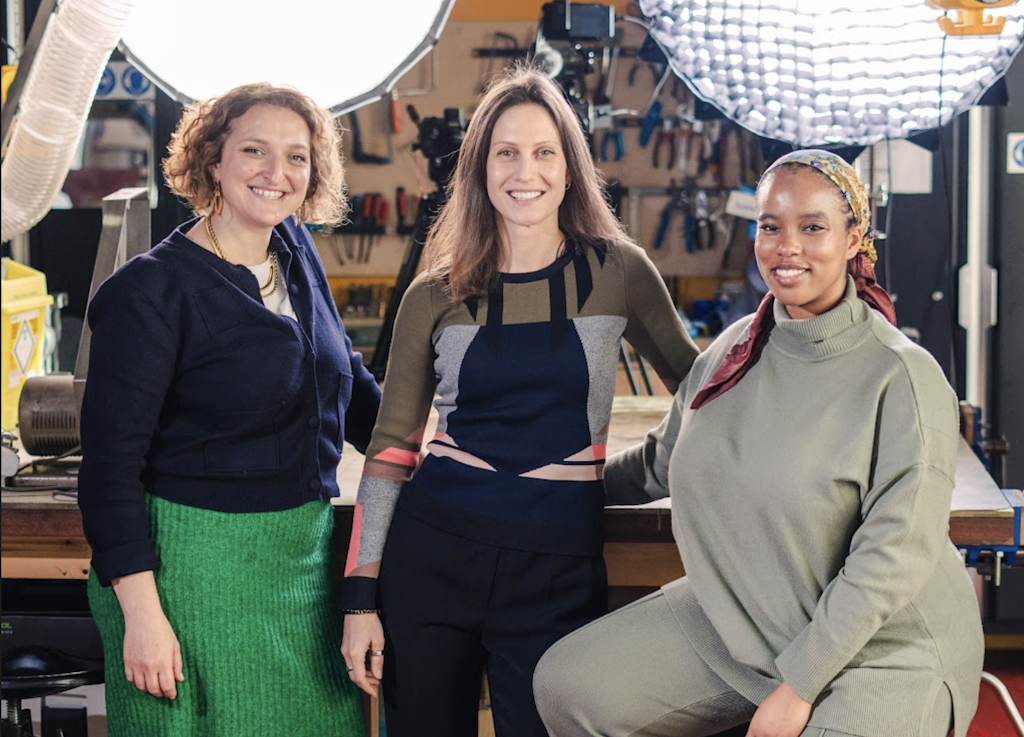




IVFmicro, the University of Leeds spinout improving the success rate of IVF treatment by enhancing the quality and number of embryos in a cycle, has raised £3.5m in pre-seed funding. The investment is led by Northern Gritstone, with support from Innovate UK Investor Partnerships Programme, and will be used by IVFmicro for its next verification and validation phase, leading to trials on human embryos in fertility clinics.
Globally, 1 in 6 couples will face fertility issues, yet IVF success rates are suboptimal, with only 25-30% succeeding in women under 35 years of age. This is due in part to limitations of the embryo culture process, which typically involves repetitive handling, subjective selection of the best embryo, and the expense of highly skilled operators. IVF is an expensive process, costing on average £5,000 for a patient in the UK for one cycle, accompanied by long NHS waiting lists that have selective criteria.
IVFmicro provides the first microfluidic device (a device for safely managing embryo culture and handling with very small amounts of nutrient-rich fluid) that can be used in any IVF treatment cycle. This precision-engineered solution improves both the number of viable embryos available for transfer and the likelihood that an embryo will implant and result in a pregnancy. IVFmicro provides a 10-15% improvement in embryo quality and quantity, a significant leap that increases the potential to fall pregnant.
IVFmicro was founded in 2018 by Virginia Pensabene and Helen Picton, both professors at the University of Leeds. Virginia has published scientific advancements in microfluidics and brings her technical and scientific expertise to the product design. Helen is a non-clinical expert in female reproductive biology and embryology, and has generated over £8m in research grant income. IVFmicro recently took part in the NG Studios life sciences programme, which supports pre-seed life science businesses, and is delivered by accelerator KQ Labs, the Francis Crick Institute, and Northern Gritstone.
My career has focused on understanding the reproductive biology of eggs and embryos, how they develop and, crucially, why things sometimes go wrong. At IVFmicro, we are harnessing years of research into reproductive biology to create a practical, accessible solution that can improve outcomes for patients undergoing fertility treatment. Our goal is to make IVF more effective, more predictable, and ultimately more hopeful for those striving to start a family.
As a biomedical engineer, I began exploring the potential of this technology in 2017, when Helen and I first met at the University of Leeds. From the start, our goal was to translate our research into a real solution for patients. Thanks to the combination of grant funding and Northern Gritstone's support - both through investment and its innovation programmes - we have been able to grow our team in Leeds and take a major step toward bringing this precision-engineered IVF solution to market.
IVFMicro is a brilliant example of the world-class innovation emerging from the Northern Arc's universities, combining scientific excellence with a clear commercial vision to tackle the societal challenge of infertility. Millions worldwide require fertility treatment, but new solutions are needed to overcome the high costs involved and low success rates. We are especially proud that IVFMicro's journey has been supported through our NG Studios programme and our Innovation Services, which exist to help founders like Virginia and Helen turn pioneering research into real-world impact.