Magentic, a startup building AI digital workers for procurement and supply chain teams at large manufacturers, has raised £13 million in a Series A round led by Felicis, with participation from existing investors Sequoia Capital and The Westly Group. The round comes a year after launch.
Working like virtual employees, Magentic's digital workers are multi-agent systems that run continuously inside some of the world's largest manufacturers, using Microsoft Teams, email and each customer's own systems. They can take over work and own it end to end: deciding whether to buy or build, choosing suppliers, negotiating contracts, running orders and clearing invoices. The platform is built for billions of rows of data, tens of billions in spend and decades-old fragmented systems still held together by Excel and ageing ERPs, and people always stay in command. Coverage spans both indirect and direct spend, including the raw materials that go into products.
Across a customer base drawn from the Global 500, including three of the world's ten largest beverage companies, Magentic typically delivers 2-5% savings, a 60% lift in data quality and tens of thousands of hours of manual work. One customer now runs more than a million orders a year through its AI agents, and another has already found $4 million in savings. For enterprises wary of agents acting inside critical systems, security controls include zero-data-retention agreements with major AI providers, deployment in any cloud environment and secure, isolated deployments in any data region.
Industrial and procurement teams face converging pressure from manufacturing demand, tariffs and limited budgets. Goldman Sachs projects roughly $8 trillion in AI capital spending between 2026 and 2031, much of it flowing into physical infrastructure that has to be sourced and built. Meanwhile, procurement workloads have grown roughly 10% year over year against just 1% budget growth.
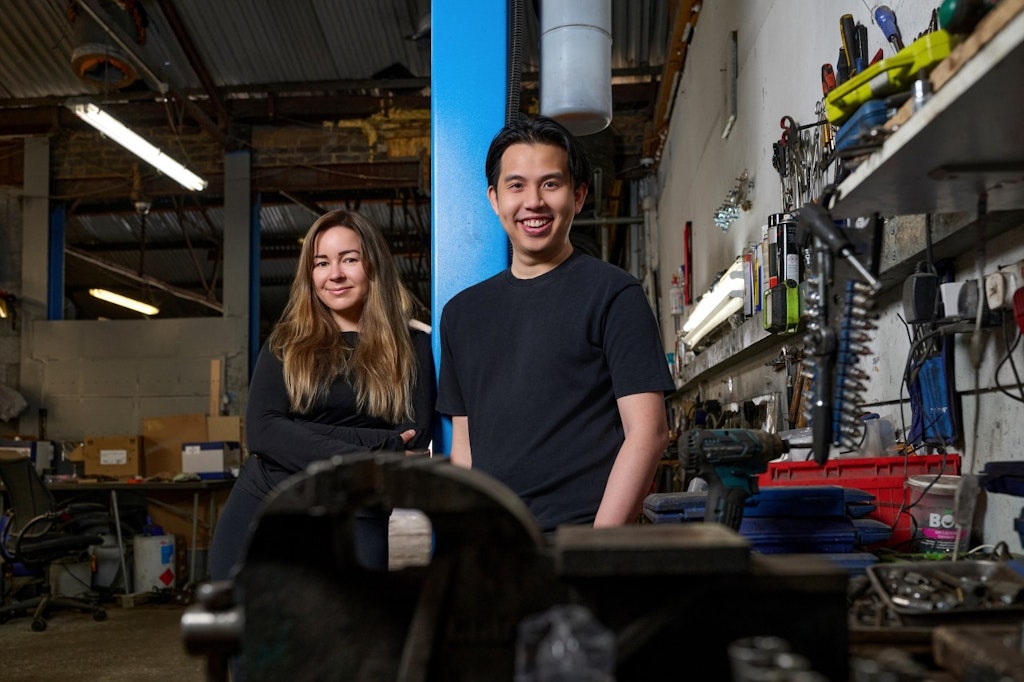
Founded by McKinsey and OpenAI alumni Robin Van Aeken (CEO) and Odhran O'Donoghue (CTO), Magentic launched in July 2025 and operates from London and New York. With the new funding, the startup plans to accelerate its roadmap for AI agents, extend coverage across procurement and supply chain workflows, and deepen its long-horizon AI research into the most complex optimisation problems in procurement and supply chains.
The physical world is dealing with the biggest capex cycle in history, driven by AI demand, during a time of trade disruption and geopolitical challenges. The companies that build the best intelligence into every decision they make will be the ones that compound their competitive advantage.
Supply chains are the least glamorous part of the economy, yet the most consequential, deciding what gets built and what does not. That's also what makes them so hard to automate. Getting an agent to understand a manufacturer's complex systems well enough to take action inside them is no small feat, which is why we haven't seen anyone else build autonomous AI workers for the physical economy.
Bringing frontier AI to the physical world requires pushing beyond AI systems with limited context windows. We're building AI that can diagnose problems, plan the fixes, take action, and see work through across gigabytes and terabytes of multimodal data at once.