Neubond, a wearable neuromuscular rehabilitation startup spun out of Imperial College London, has raised £1.5 million in a seed round led by Waseda University Ventures, with participation from SFC and New Wave Ventures. Founded within Imperial's Department of Bioengineering, the startup has developed a stroke rehabilitation platform and wearable device designed to support sustainable recovery for patients and reduce costs for clinicians. Funds will be used to complete product development and conduct a pivotal study to inform future clinical trials and progress towards regulatory approval.
Stroke patients frequently experience movement issues, muscle weakness and balance problems following their stroke. Rehabilitation is intensive: current NICE guidelines recommend a minimum of three hours of combined therapy a day, five days a week. A core challenge is that patients may struggle to perceive when their muscles are activating, weakening the feedback loop needed for recovery. Neubond's platform addresses this by detecting muscle activation through a compact bracelet packed with tiny sensors, then delivering biofeedback so patients can see in real time when their muscles have responded to an attempt to move. Built on over a decade of research into neuromechanics and neuroplasticity led by co-founder Professor Dario Farina, head of Imperial's Neuromechanics and Rehabilitation Technology lab, the platform is designed to help the brain remake connections by decoding a motor command and applying artificial sensory feedback.
The wearable integrates with a monitoring app accessible to both patients and their doctors. Patients can use the app during rehabilitation exercises to observe muscle activation, reinforcing the link between intent and movement. Doctors can set up rehabilitation programmes and access detailed data on when a patient exercises, how many repetitions they complete, the effectiveness of muscle contraction, and how well the patient is responding to the programme. Because the platform supports remote monitoring, it can reduce the need for in-person visits and sustain the clinical relationship over time.
Prior to this round, Neubond developed its device using over £720,000 in grant funding, including a prestigious ERC Proof-of-Concept grant. A 15-patient pilot study conducted by the company recorded a 30% improvement in range of motion over one month of intervention. Neubond is currently running a clinical feasibility study at Charing Cross Hospital, London, working with patients and clinicians to assess the device in clinical practice; results will inform a future randomised clinical trial. The seed funding will also support compliance with safety standards and medical device certification from the MHRA. Outside the lab, Neubond has participated in Imperial's Enterprise Lab programmes and won a track of the Venture Catalyst Challenge in 2024. The round marks Waseda University Ventures' first investment into a United Kingdom company.
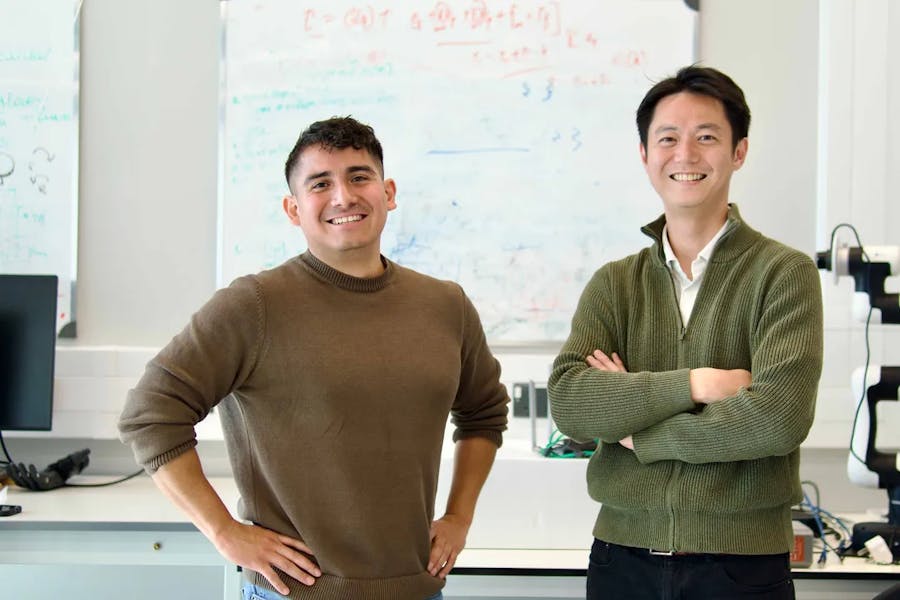
We're thrilled to be working with expert investors as we progress our stroke rehabilitation platform towards final product development and regulatory approval. This funding will help us get our device into the hands of patients and clinicians and to learn much more about how our platform performs in practice.
Motivation is vital for stroke patients, and our mission is to give them hope. Our platform uses a simple and effective biofeedback mechanism so that patients can see the effect their rehabilitation efforts are having. After stroke, a patient might struggle to know when their muscles are activating, but our platform helps to remake the connection between trying to move and muscle activation. The platform we have developed bridges a gap in healthcare provision. Stroke patients need lots of support and our healthcare systems aren't built to provide enough of it. By enabling patients and their doctors to monitor progress with high fidelity, we hope not only to encourage patients during rehabilitation but also to ensure more patients get high quality care.
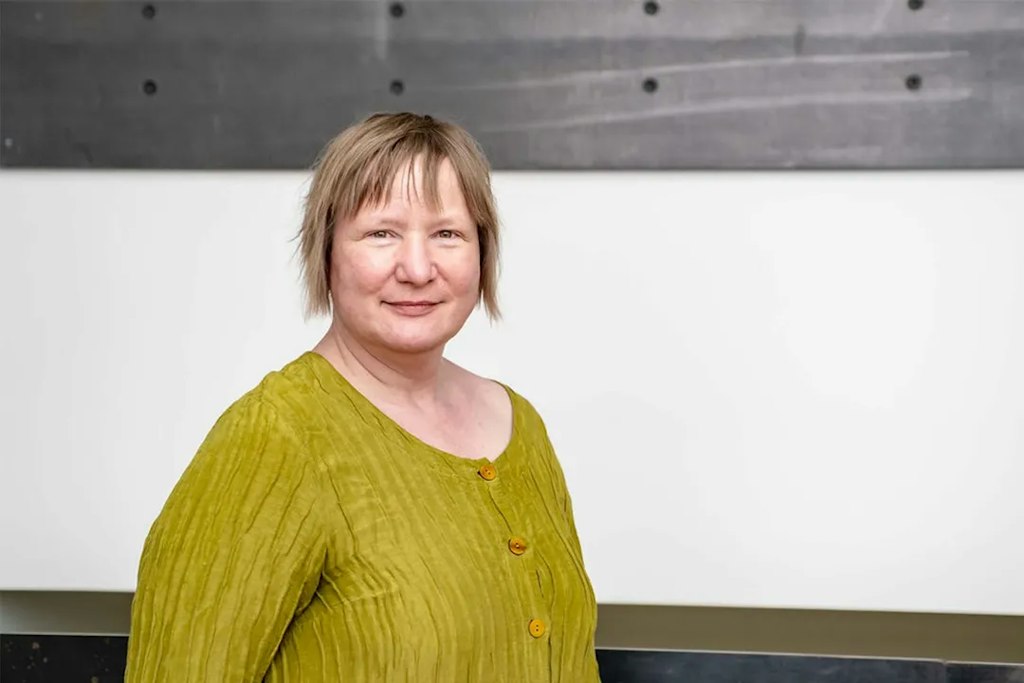
We have a strong base of evidence that neuroplasticity can be induced by detecting a motor command and applying artificial sensory feedback – guiding the brain to remake connections. Neubond has made rapid progress in translating this laboratory science into a simple device that patients can use at home. A large strand of our research over the years has been into how neuroplasticity – the ability of the brain to reforge connections and networks – can be induced by decoding a motor command and applying artificial sensory feedback. It's really rewarding to see this being translated successfully through Neubond.
Neubond's groundbreaking technology is built upon deep scientific evidence and world-class research in neurorehabilitation, with the potential to transform the recovery journey of stroke patients around the world. We believe the company's core technologies could extend into broader applications such as robotics, human-machine interfaces and next-generation assistive technologies.