Tetra, a surgical scheduling software startup, has raised £450,000 in a pre-seed round from a group of experienced British technology investors, including Charles Delingpole, Chris Adelsbach of Outrun Ventures, and Michael Pennington, alongside other experienced investors. It develops an AI-powered platform designed to help hospitals plan and deliver elective care more effectively. The new capital will be used to support delivery to current NHS partners, onboard additional hospitals, and continue product development in close collaboration with frontline users.
Elective surgery remains one of the most significant operational challenges facing the National Health Service. The number of cases on the waiting list for consultant-led hospital treatment in England remains at around 7.3 million as of late 2025, with approximately 2.7 million people waiting more than 18 weeks for care, well above the NHS constitutional target of 92% treated within that timeframe. Despite substantial national investment, including an estimated £3.4 billion deployed by NHS England since the pandemic to reduce the backlog, treatment waits and lists remain high. Operating theatres are a critical bottleneck, and traditional scheduling processes are often manual and inflexible, contributing to under-utilisation, on-day cancellations and inefficiencies that weaken throughput and exacerbate waiting times.
Its software uses data modelling and probabilistic forecasting to support more adaptive, resilient surgical planning, enabling hospitals to build and fill theatre lists more accurately while reducing administrative burden for operational teams. Tetra is currently piloting its platform with Sheffield Teaching Hospitals NHS Foundation Trust, working closely with theatre managers and operational staff, and reports strong early engagement across NHS trusts.
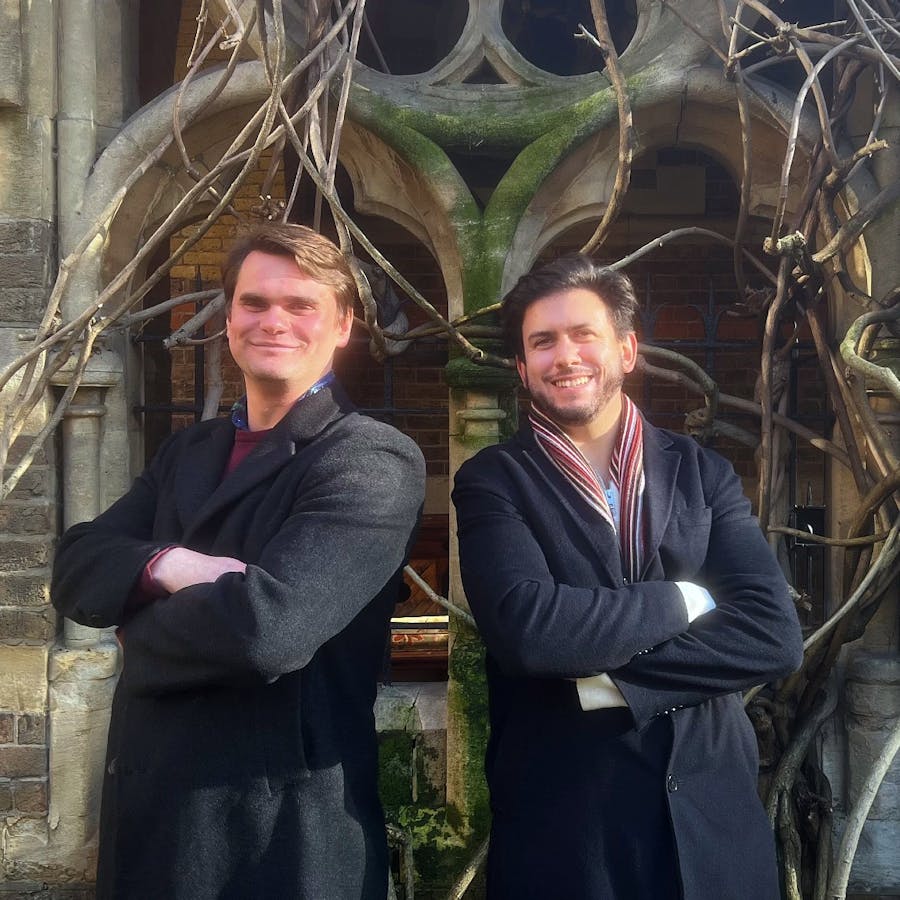
Founded by Jamie Papasavvas and Thomas Babb, it focuses on bringing practical, deployable AI-assisted tools to NHS users. The mission is to help hospitals increase theatre utilisation and resilience in surgical services without adding operational complexity.
Surgical productivity is a difficult, messy problem, but given the scale of the NHS elective backlog, it’s become a generational challenge. Theatre teams are constantly dealing with uncertainty and change, using tech and tools that are a struggle at the best of times. We’re building software that reflects how surgeons, theatre teams and booking staff actually work, and that supports the people doing the hardest operational jobs.