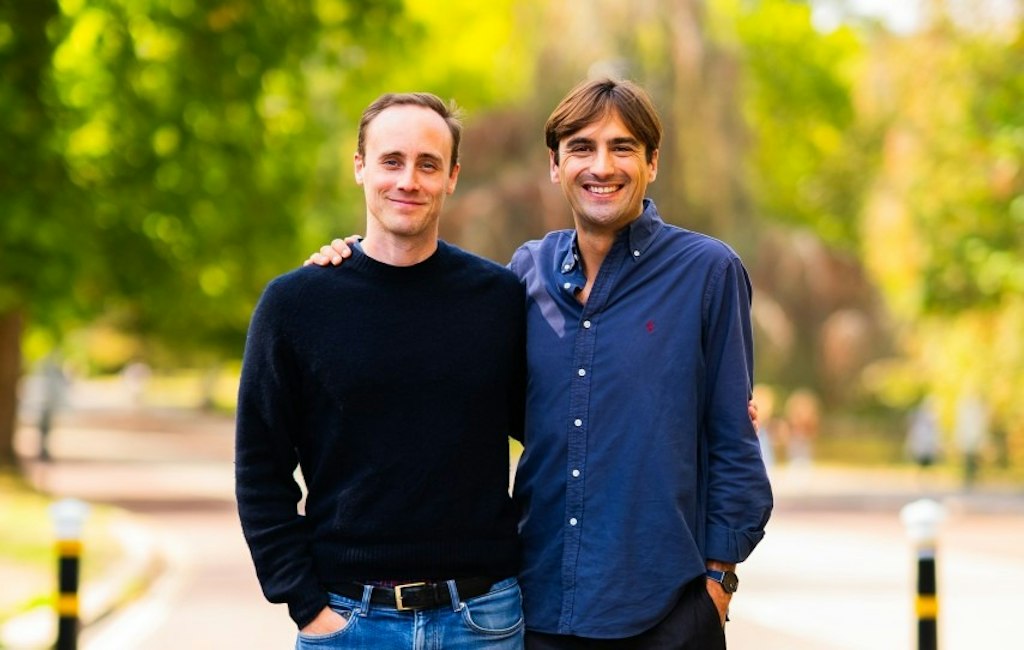
ThatRound, a fundraising platform for UK startups, has closed a pre-seed round from founder Bradley Jones and 20 angel investors from Aligned Syndicate. The round closed in two weeks and carries EIS qualification.
Launched in March 2025, the platform was built to replace cold outreach, personal-network dependency, and what ThatRound describes as structural opacity in UK early-stage fundraising. More than 500 founders have signed up to the platform and over 1,500 structured funding applications have been submitted through its workflows. According to ThatRound, 62% of deals surfaced to investment partners through its matching engine result in an intro request.
Rather than filtering deals only by sector or stage, the platform maps investor preferences, thesis fit and team type before surfacing opportunities to investors. Founders whose applications do not proceed also receive feedback on fit. The platform currently lists 320 funding partners, with 70 actively using ThatRound to source deal flow. One founder used the platform to help close £500,000 in six weeks.
Funding from the round will be used to expand ThatRound's matching capabilities, develop its learning engine, and hire an Account Executive, Marketing Executive and AI Lead. The hires take the business from a one-person operation to a team of nine in under a year.
This comes as UK deal volumes fell 7.9% in 2025 to 5,887, while total equity investment rose to £24.0bn. Average deal size reached £4.22m, the highest level since 2021, as investors concentrated capital into fewer and larger rounds.
Jones previously exited a software business and co-runs Aligned Syndicate, an angel syndicate investing in UK pre-seed and seed-stage startups. He also co-founded non-alcoholic spirits brand CROSSIP and said he has operated on both sides of the fundraising process.
More than 1,500 structured funding applications have gone through ThatRound's matching workflow. Of the deals our AI engine surfaces to investors, two in three result in an intro request. And every single founder whose application doesn't progress receives specific feedback on why - on fit, not a standard rejection. That second part shouldn't feel remarkable, but in early-stage fundraising, it does. The fact that founders find that level of transparency unusual tells you everything about how the market has been working until now.
Early-stage fundraising has relied on cold outreach, fragmented networks, and personal connections for decades - not because nobody tried to fix it, but because the technology to fix it didn't exist. Matching startups with investors is qualitative, preference-driven, and constantly changing. Database filters and tick-boxes were never going to crack that. What's changed is that large language models can now understand and match on the kind of nuanced, interdependent preferences that early-stage investing actually runs on.