Healome Therapeutics has raised £2 million in an oversubscribed seed round led by Empirical Ventures, with participation from DEBRA Research, Cure EB, Oshen Bio and existing investor SFC Capital. A University of Birmingham spinout, Healome Therapeutics has developed an eye-drop matrix technology for ocular surface diseases that behaves like a liquid on application, before restructuring on the eye into a clear, lubricating, protective matrix. Proceeds will be deployed across preclinical development, manufacturing scale-up, regulatory activities and progression toward human studies targeted for 2027.
Conventional eye drops clear from the ocular surface within minutes, driving dosing regimens of up to 20 times per day and leading to treatment adherence rates as low as 20% in chronic-use populations. Poor patient adherence and a lack of perceived benefit further reduce overall treatment effectiveness. Healome's matrix is built on established pharmaceutical- and food-grade polymers structured into proprietary architectures, avoiding the complex chemical modification that can create manufacturing or regulatory issues. The matrix can deliver a broad range of drugs, from small molecules to complex biologics, and has been used to deliver an anti-scarring biologic drug in a standard pre-clinical model of severely injured and infected corneas, resulting in rapid corneal healing with minimal side-effects. The platform is being developed for dry eye disease, ocular surface inflammation, corneal injury, rare diseases associated with severe ocular surface damage and chronic drug delivery, and Healome holds five patent families covering the underlying matrix architecture.
Investment from DEBRA Research and Cure EB will support work on EB-associated ocular complications. Epidermolysis Bullosa affects approximately 500,000 people globally, of whom an estimated 5-20% experience ocular complications including chronic pain and recurrent corneal abrasions with a high risk of sight-threatening scarring. Public awareness of EB has grown following the Netflix documentary Matter of Time, which highlighted the unmet needs faced by patients and families living with the disease.
Dry eye, the most well-known ocular surface condition, has an estimated global market size of over USD$5 billion and affects over 350 million people worldwide, while the broader ocular surface disease opportunity exceeds USD$12 billion across multiple indications.
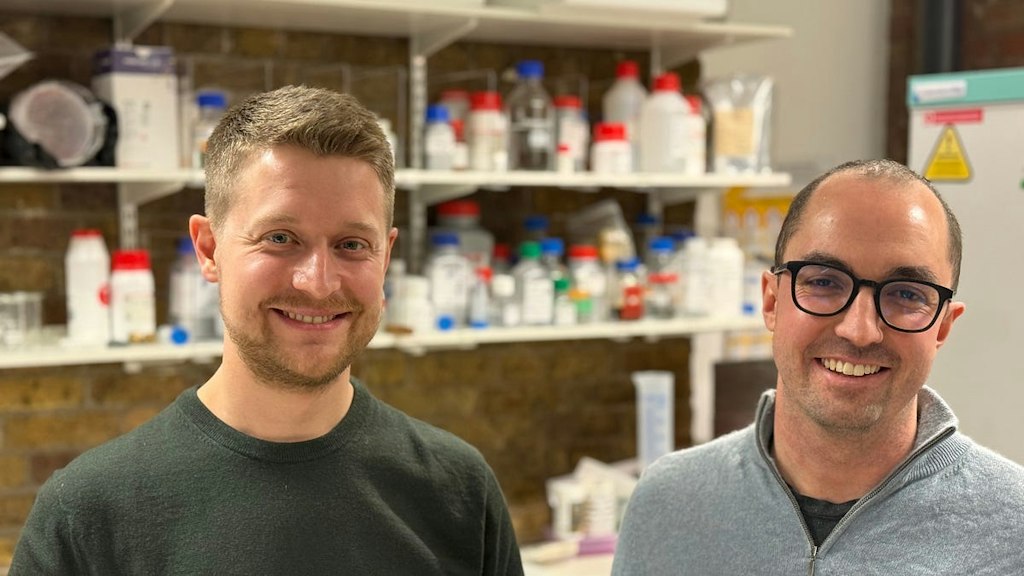
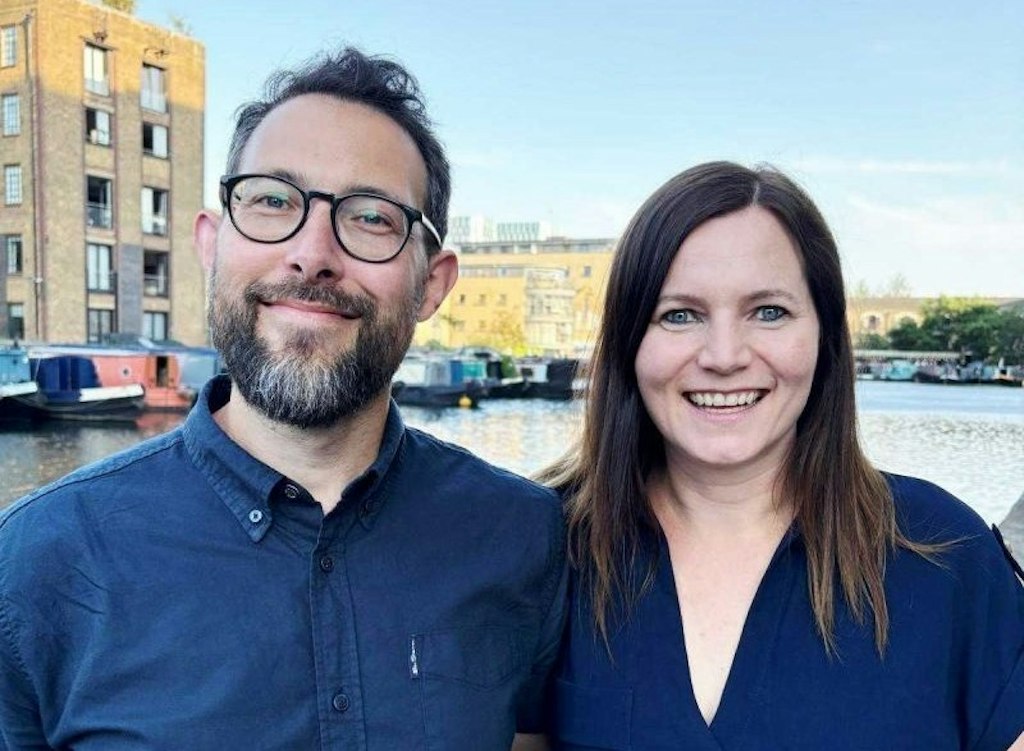
Healome was co-founded by Professor Liam Grover, Professor Tony Metcalfe, Dr Richard Moakes and Dr Richard Williams, who serves as Chief Executive Officer. The team has combined over 80 years of experience across biomaterials science, regenerative medicine and ophthalmic drug development, and six peer-reviewed publications underpin the platform. The underlying research originated at the University of Birmingham's Healthcare Technologies Institute, supported by approximately £5m in non-dilutive funding.
Eye drops remain the primary delivery mechanism in ophthalmology, yet conventional formulations clear from the ocular surface within minutes. Using our matrix to extend residence time of novel and existing therapeutics opens the door to reduced dosing, better adherence and ultimately improved outcomes across a range of indications. This financing lets us drive the platform toward the clinic.
Healome targets a quantifiable bottleneck — drug residence time on the ocular surface — with a manufacturing-friendly approach built on well-characterised polymers. The approach and the data, demonstrating how the team are building upon this to unlock further therapeutic value on the eye, is what convinced us this is a category-defining platform rather than an incremental formulation play, with credible read-across from dry eye through to rare ocular diseases.
For many people living with EB, the condition not only affects the skin but also the eyes. Blistering and wounds can occur spontaneously or be triggered by friction, dryness or irritation, often leading to severe pain, impaired vision and a significant impact on daily life. As there are currently no specific treatments for these ocular complications, we look forward to supporting Healome in their effort to develop patient-friendly and effective therapeutic approaches in this area. With this investment, we are continuing our commitment to accelerate the development of treatments that address the urgent unmet needs of people living with EB.
Corneal abrasions in people with severe forms of EB lead to temporary blindness, excruciating pain and the need for hourly eye drops applications throughout the day. To have an eye drop that requires less frequent dosing would improve the quality of life of those suffering the ocular manifestations of EB.