Mitto Markets, a stockbroking startup has raised £320,000 in pre-seed funding from angels across two tranches. It plans to launch as a multi-asset, execution-only broker, subject to authorisation being granted by the Financial Conduct Authority.
Mitto Markets targets what it describes as the forgotten middle of investors. For most of the industry's history, investors with meaningful wealth received a person who knew them, answered the phone and explained what was happening with their investments, while everyone else used a platform. Trading apps made investing cheap and fast but left no one accountable on the other end. Mitto Markets focuses on people who have built up sizeable savings, follow markets closely and want to invest with confidence, but who are overserved by wealth managers and underserved by apps.
Mitto Markets' thesis is that trust and accountability, rather than price or performance alone, are what move money, and that the relationship layer in investing has never been scaled. The firm is building technology to scale this relationship layer, aiming to give the forgotten middle someone accountable on the other end at app-level cost. The funding has accelerated Mitto Markets' regulatory and technology build while the FCA application is under assessment, and Mitto Markets is in early conversations with institutional investors ahead of its next stage of growth.
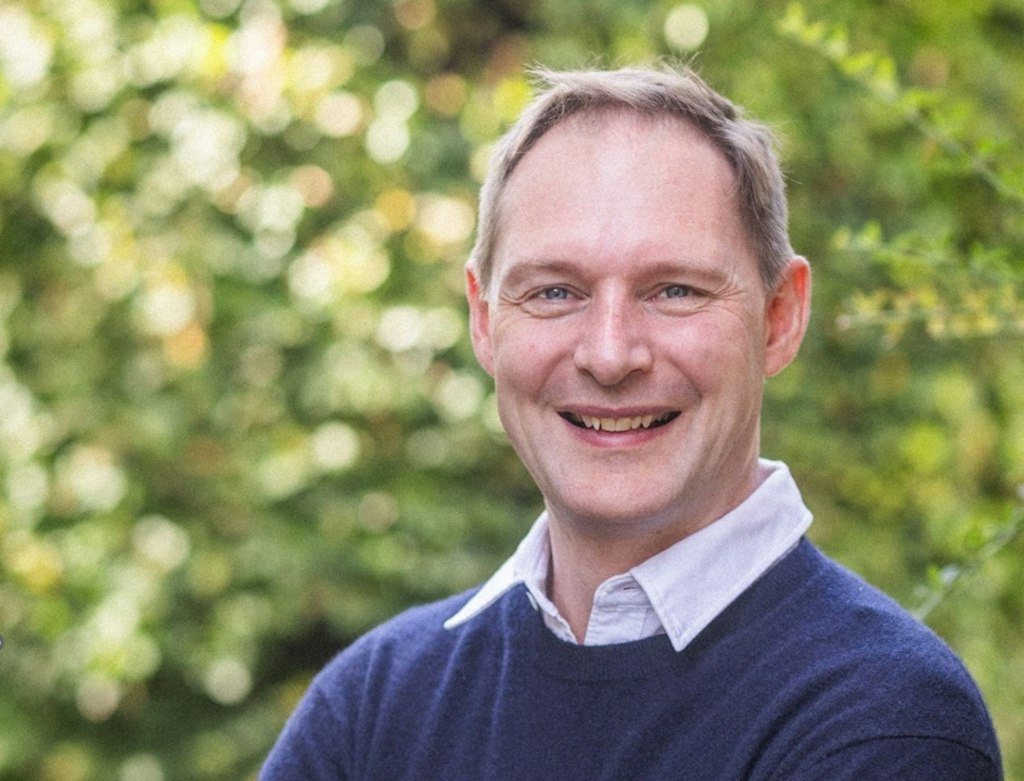
Founder and CEO Tim Sunderland was formerly with Valbury Capital and Redmayne-Bentley. Sunderland is joined by a senior team spanning brokerage, technology and regulation, including executive director Katerina Vashenko, tech lead Sidney O'Neill, non-executive director and board chair Alexander Culley, and compliance advisor David Wood, who bring experience across brokerage, private banking, machine learning, nuclear compliance, regulatory solutions and FCA-regulated investment management.
People don't leave their bank or their app because of a chart. They move when someone earns their trust. That's always been the privilege of the wealthy, because a person was expensive. We're building the infrastructure to scale the relationship layer instead. The response from investors, with the follow-up round going well past its target, tells us we're not the only ones who think it's overdue.