Outpost Bio, a human microbiology modelling startup, has raised £2.6 million in a pre-seed round co-led by Merantix Capital and Seedcamp, with participation from OpenSeed VC, Defined, and strategic family offices and angel investors. It builds models focused on the interaction layer of human biology to help translate complex microbiology data into actionable insights. The funding will accelerate its experimental and modelling platforms.
Human microbiology studies how microbial communities living in and on the body metabolise drugs, transform nutrients, and influence health outcomes, but R&D teams struggle to translate this complexity into usable insights. Outpost Bio’s platform addresses this gap by integrating automated experimentation with machine learning in a closed feedback loop, generating human-derived functional data at scale. This enables pharmaceutical partners to de-risk clinical development, design safer formulations, and build regulatory evidence, while food and consumer companies can test how ingredients affect microbial communities.
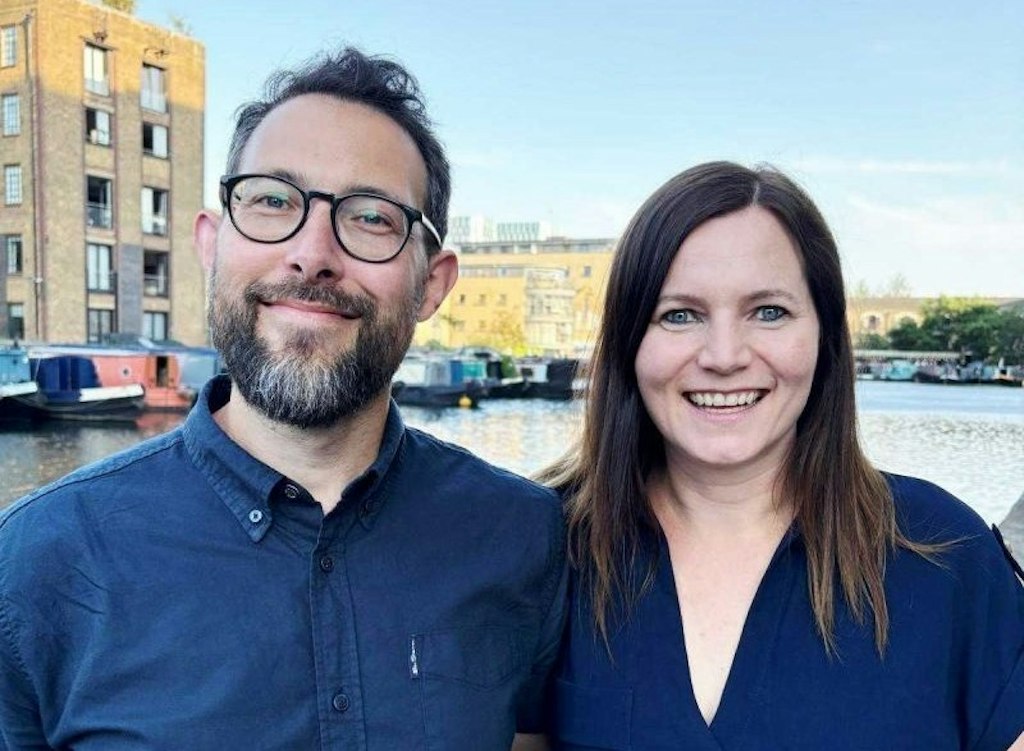
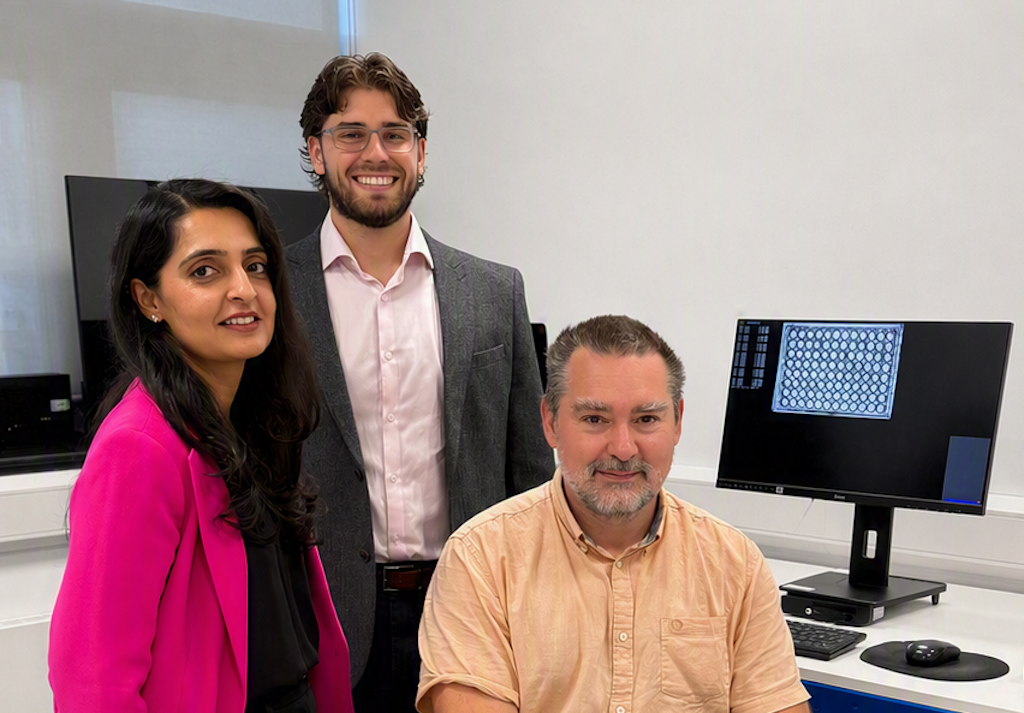
Outpost Bio is led by Dr. Jenny Yang, an Oxford PhD and former Marie Curie Fellow with a background in clinical machine learning, and Alex Merwin, former Head of Growth for Health & Bio Startups at AWS. The founding team also includes senior leaders in microbiology, data engineering, and machine learning, with advisors from organisations including Ginkgo Bioworks, the Genome Sciences Centre, and DARPA.
We're building the most comprehensive dataset in human microbiology. Microbial communities can dramatically alter drugs and other interventions, yet this layer has been largely ignored because the data hasn't existed at scale. For the first time, we can move beyond correlations to reveal causal pathways.
This is a rare team that combines deep microbiology, machine learning, and company-building experience. Jenny, Alex, and the founding team have both the scientific rigor and operational insight required to build a new layer of biological infrastructure.
What took decades to build for earlier biological models can now be achieved in years. Faster wet-lab data generation, lower sequencing costs, and more powerful machine learning make this the right moment to build predictive models of the microbes that live within and on us.